Bubble
Designing a Community Mobile App
Bubble is a community mobile app currently in development. The concept is simple but meaningful: give people a real way to connect with the neighborhood around them. Through location-based groups called “Bubbles” and an events feed, the platform is designed to make the community you live in feel a little less like a backdrop and a little more like home.
I joined the project as a product design collaborator after an initial design phase had already begun. My work has spanned iterating on existing designs, building out new flows, creating and maintaining our design system, and staying involved well past handoff to make sure what gets built actually matches what we designed.
Overview
Role
Product Designer
skills
Status: In Development
The Problem
Bubble was founded on a simple observation: people want to feel connected to the place they actually live, but no platform makes that easy, safe, or personal.
The founder validated this through direct conversations with potential users in their community before the product took shape.
My Role
I came onto Bubble’s team mid-stream, which meant my first task was not to design from a blank canvas. It was to understand what already existed, where it had drifted from the founder's vision, and figure out what needed to change and why.
From there my work expanded into designing new flows, building out and maintaining a design system, and collaborating closely with the founder to expand on the existing concept and branding. I also took on something I did not initially expect: a quality assurance role. When our engineering team began building in Replit, the implemented screens did not always match my designs. Rather than letting those gaps accumulate, I began auditing the live app against my Figma files and logging every inconsistency in our team's Trello defect board so nothing fell through the cracks.
The Design Work
Iterating and Realigning
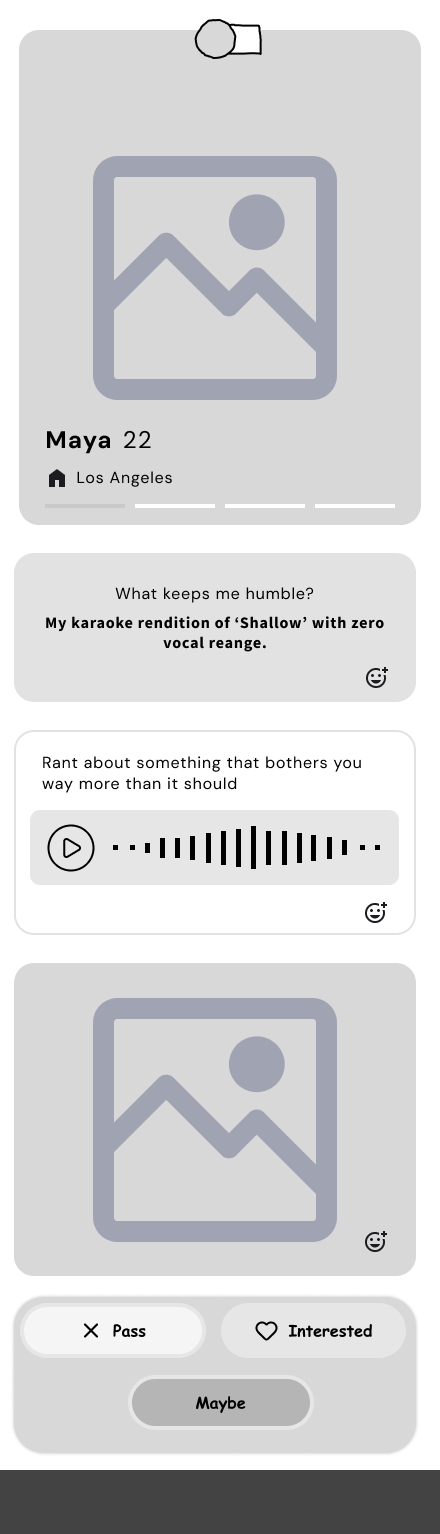
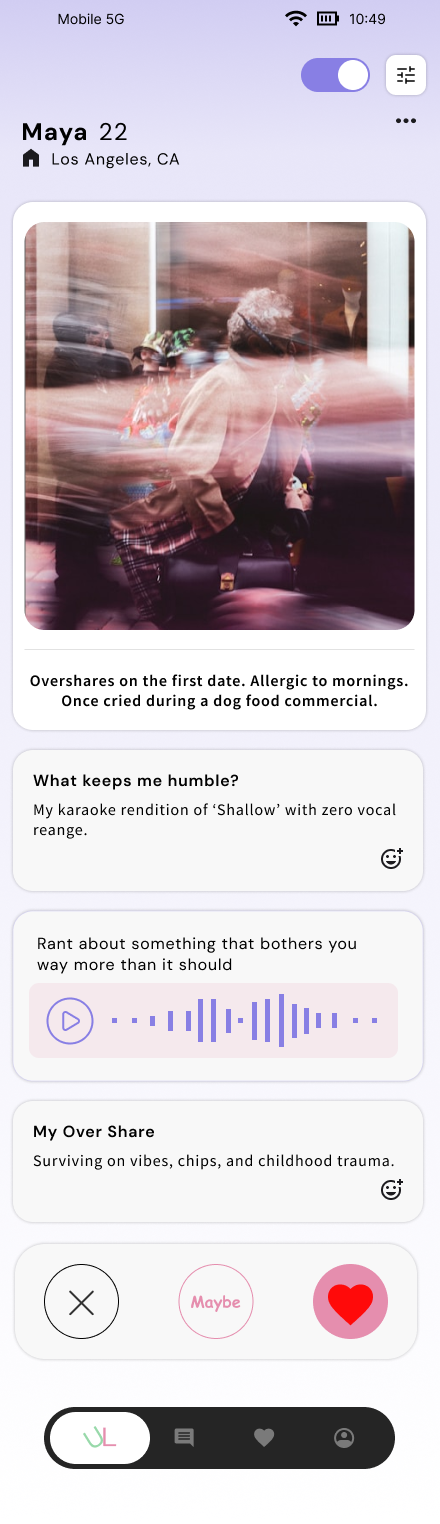
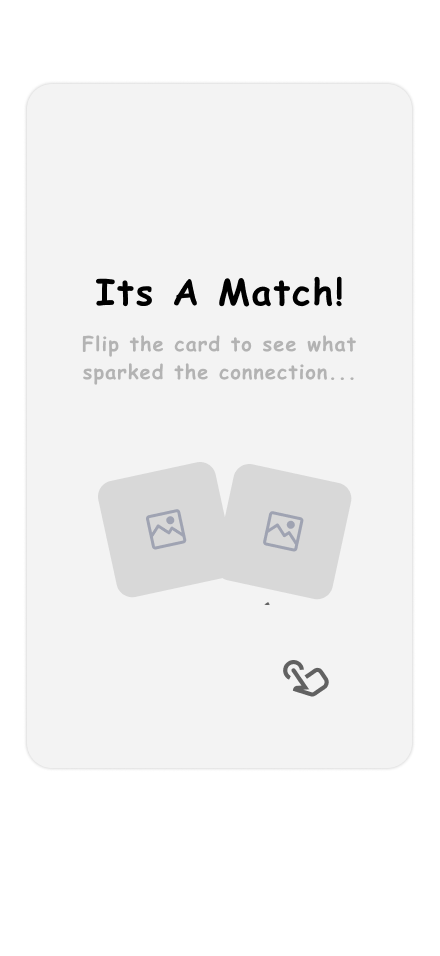
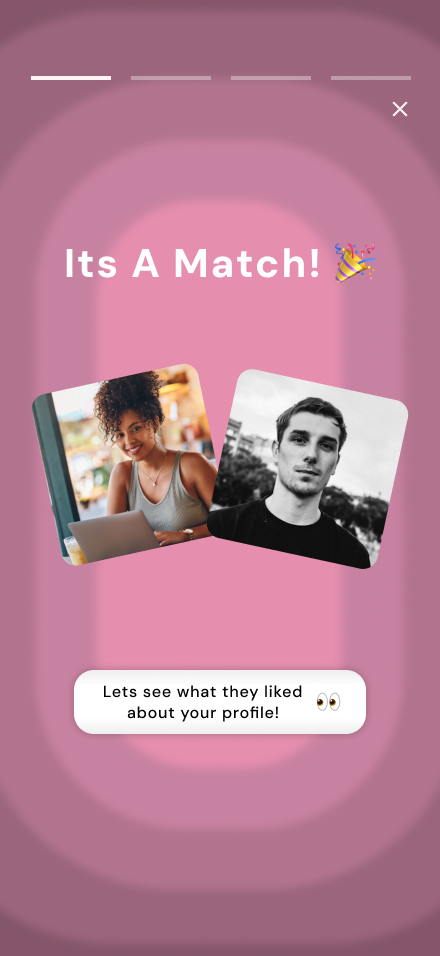
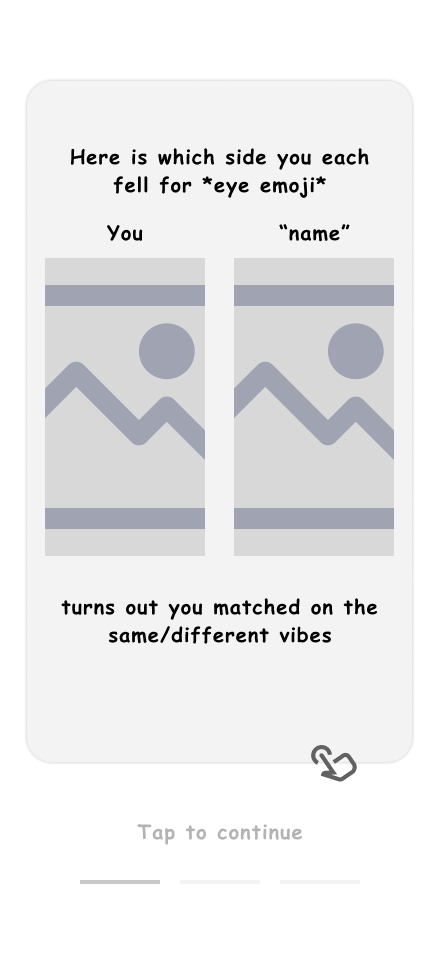
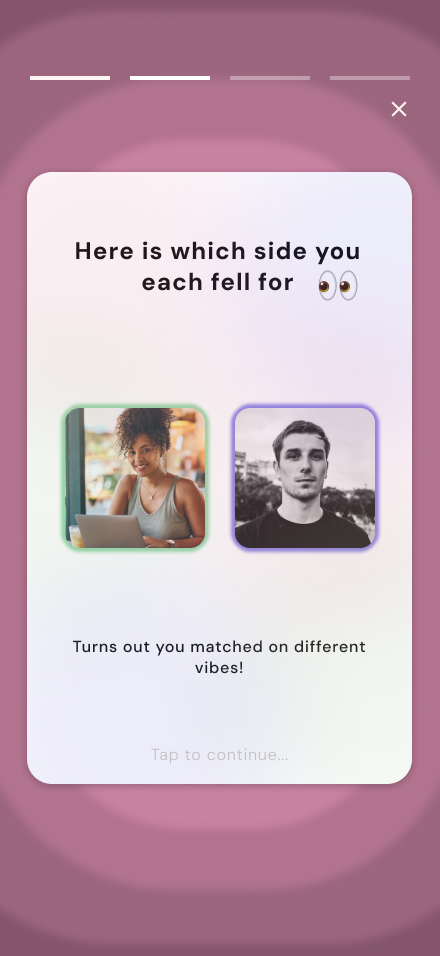
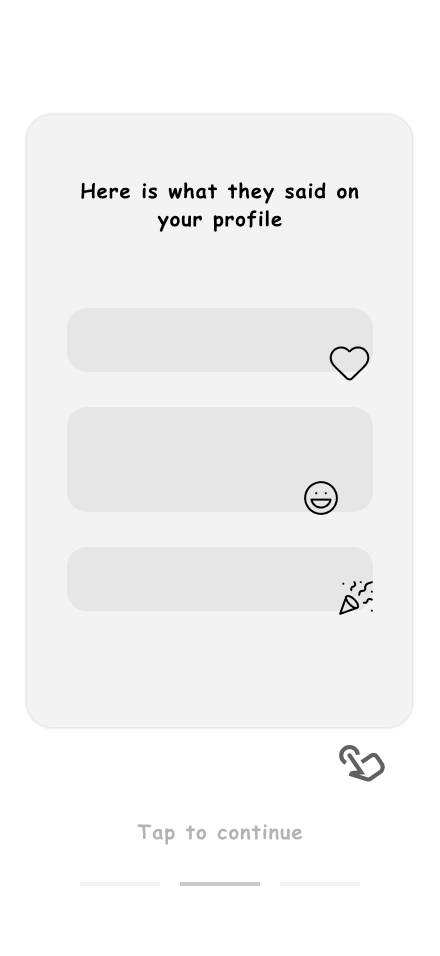
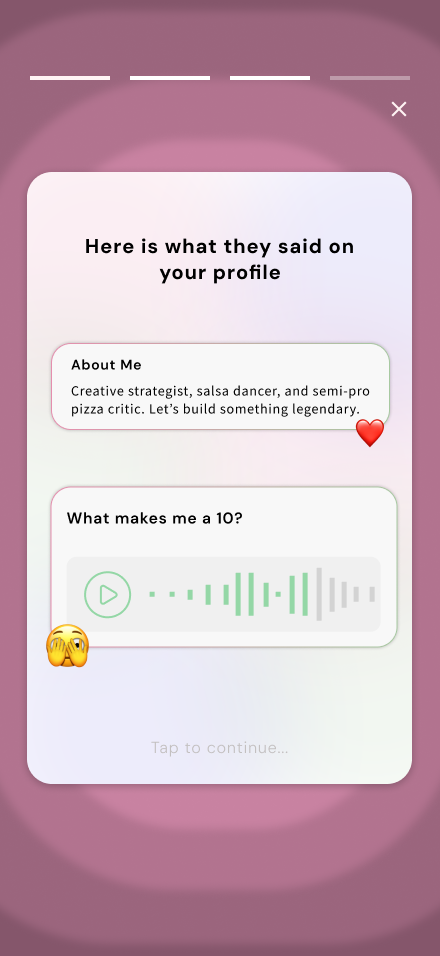
The designs I inherited no longer reflected where the product was going. The founder's vision had evolved through her conversations with potential users. My process started with getting deeply aligned with the founder through a series of conversations where I asked a lot of questions, not just about what she wanted things to look like, but about what she needed the product to do and feel like for the people using it. The founder expressed that they really enjoyed AirBnb’s UI and wanted to emulate the feeling of it. From there I made deliberate decisions about what to carry forward and what to revisit.
The Admin Dashboard
One of the flows I am most proud of is the admin dashboard I designed for bubble group administrators. Before this existed, admins had to manage their group through their profile page which acted as the home for administration tools.
The dashboard brings it all together in one view: member management, waitlist control, event creation, bubble settings, and action items that need review. It also surfaces quick data points at a glance, including the number of members, admins, and people currently on the waitlist, so an admin can understand the health of their bubble without digging for it.
The thinking behind the layout was rooted in the admin's mental model. An admin is not browsing the app for fun. They are coming in with a job to do. So the design prioritizes clarity and speed over exploration, putting the most time-sensitive controls and information front and center.
Design System and Handoff
Building and maintaining a consistent design system was a core part of my work throughout this project. When the gap between my Figma files and the live app became apparent, I treated it not as someone else's problem but as a design responsibility. I built a process around it: auditing the app regularly, logging inconsistencies in Trello, and working with the team to close those gaps systematically. Do to time constraints, I had to identify what UI or UX defects would be high priority in order to make sure the app feels trustworthy for initial release.
Inheriting and Realigning
Reflection
Going into Bubble, I expected the challenge to be design itself. Learning the tools, making good decisions, iterating quickly. What I did not expect was how much of my energy would go toward simply making sure design had a voice in the room.
As the only designer on a five-person team, I learned that good work is not enough on its own. You have to be able to explain your decisions, push back thoughtfully when something risks the user experience, and help people who are not designers understand why certain choices matter. That is a different skill than designing, and honestly it is one I am still developing.
This project has made me a more practical, collaborative, and resilient designer. I came in mid-stream, got aligned fast, and stayed involved all the way through build. Bubble is not finished yet, and neither am I. But I am proud of what we have built so far and the designer I am becoming through the process of building it.